
Why Your Renewal Notice Didn't Change
Your car is paid off. The renewal notice arrived and your premium stayed nearly identical to what you paid when the lender required full coverage. No letter explained that collision and comprehensive are now optional. Your carrier won't notify you when the mandate drops because nothing in Arizona law requires them to.
The lender's requirement ends the day the lienholder releases the title. Your policy continues with the same coverage elections until you change them. For Phoenix retirees driving 6,000 miles annually in a seven-year-old sedan, that unchanged premium may now be covering collision claims your vehicle's value no longer justifies.
Compare rates from carriers that specialize in senior drivers
Mature driver discounts, low-mileage rates, and coverage reviews — see what you're actually eligible for.
Get Your Free QuoteArizona Property Damage Minimum
$15,000
Arizona requires $25,000 bodily injury per person, $50,000 per accident, and $15,000 property damage. These liability minimums remain mandatory whether your vehicle is financed or paid off. Collision and comprehensive are the optional coverages.
A.R.S. Title 28, Chapter 9
What Arizona Law Actually Requires
Arizona mandates liability coverage only: $25,000 bodily injury per person, $50,000 per accident, and $15,000 property damage. The state does not require collision or comprehensive on any vehicle, paid off or financed. The full-coverage requirement you followed for years came from your lender's loan contract, not from state insurance law.
Once the lender releases its interest, that contract obligation ends. You remain legally required to carry liability limits meeting Arizona's financial responsibility threshold. Collision coverage, which pays to repair your own vehicle after an at-fault accident, and comprehensive coverage, which pays for theft, vandalism, hail, and non-collision damage, become entirely your decision.
Most Phoenix retirees assume full coverage remains mandatory or that dropping it signals financial irresponsibility. Neither is true. The question is whether the premium you pay for collision and comprehensive still delivers value against your vehicle's current worth and your driving pattern.
The blocker: you lack the vehicle's actual cash value figure your carrier uses to cap claims. Without it, you're comparing your annual collision premium against a settlement ceiling you don't know.
How to Run the Coverage Decision
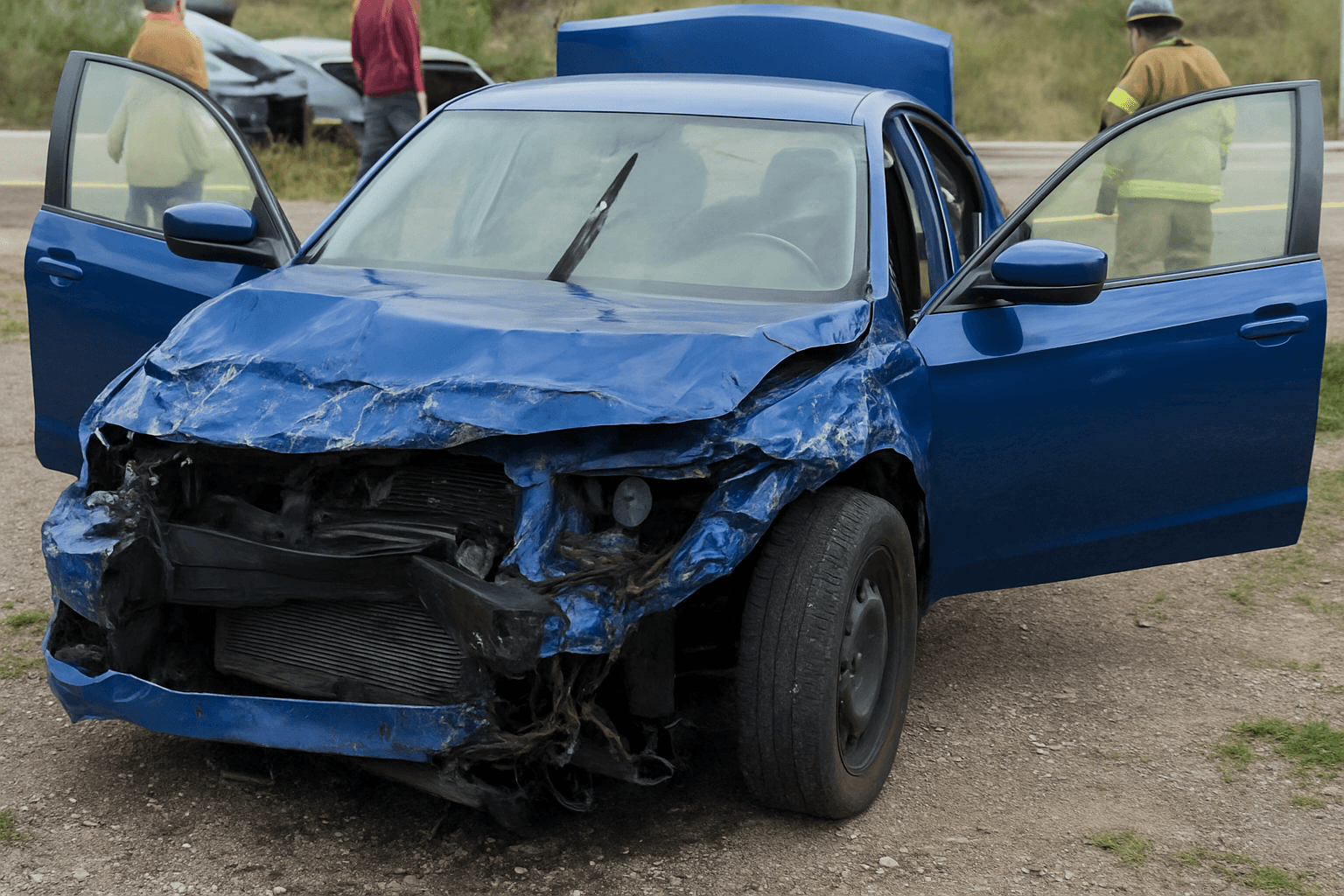
Request your vehicle's actual cash value from your current carrier or check valuation tools that reflect Arizona market rates and your specific mileage. Carriers cap collision payouts at ACV minus your deductible. A 2018 sedan showing 68,000 miles may carry an ACV of $11,000 in Phoenix's current market. Your collision deductible is typically $500 or $1,000.
Compare your annual collision and comprehensive premium total against that net payout ceiling. If you're paying $580 annually for both coverages combined with a $1,000 deductible, the maximum net claim on that $11,000 vehicle is $10,000. A conventional threshold many retirees apply: when the annual premium exceeds 10 percent of the vehicle's ACV, collision coverage becomes a judgment call rather than an obvious value.
Related Articles




What Phoenix Retirees Miss in This Calculation
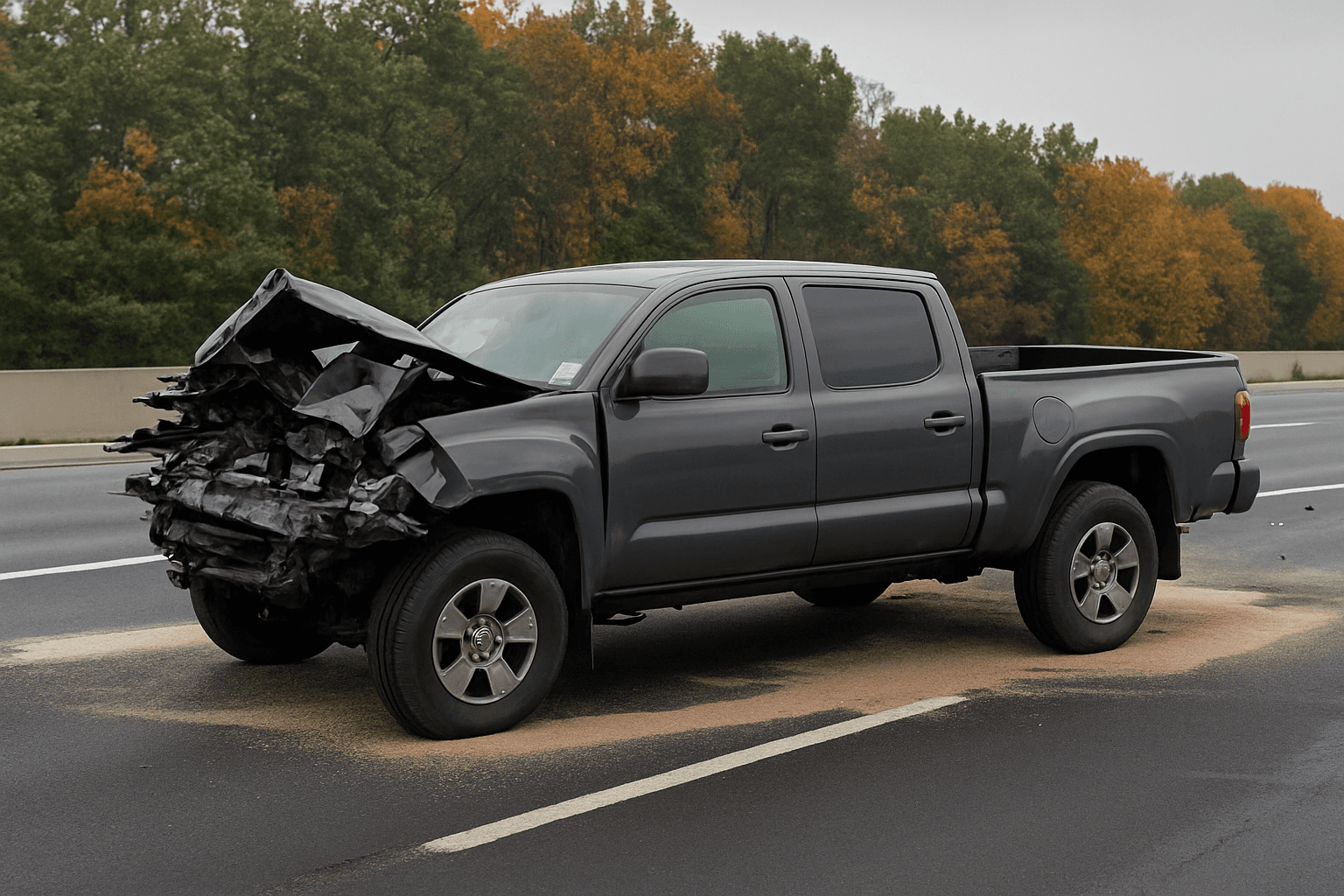
Collision covers at-fault accidents you cause. Comprehensive covers everything else: theft, break-ins, hail, monsoon wind damage, and vandalism. Phoenix's summer monsoons produce hail and dust storms that crack windshields and dent panels. Comprehensive claims in metro Phoenix reflect that weather pattern.
Dropping collision while keeping comprehensive is a valid middle path. Comprehensive premiums run lower than collision and cover risks unrelated to your driving. A retiree with a clean record driving 5,000 annual miles faces minimal at-fault collision risk but identical hail and theft exposure as a commuter.
Your deductible also shapes the outcome. Raising your collision deductible from $500 to $1,000 cuts your premium immediately and shifts minor at-fault repairs to out-of-pocket expense. Many Phoenix retirees on fixed income keep comprehensive at a $500 deductible for windshield claims and raise collision to $1,000 or drop it entirely.
Carriers Writing in Arizona
25
Twenty-five carriers write auto policies in Arizona, including standard-tier carriers offering mature-driver discounts and senior-focused underwriting. Comparing how each prices liability-only versus full-coverage policies for your profile often reveals $300+ annual swings.
NAIC state filings, Arizona Department of Insurance
How to Change Your Coverage at Renewal
Contact your agent or carrier before your renewal effective date. Request a quote removing collision, or removing both collision and comprehensive, while keeping your liability limits unchanged. Arizona law does not impose waiting periods or penalties for dropping optional coverages on a paid-off vehicle.
Confirm your new premium in writing before the renewal processes. Some carriers require you to submit the coverage change request in writing or through their online portal. If your current carrier's liability-only rate still feels high, request quotes from at least two additional carriers writing in Arizona that offer mature-driver discounts to drivers 65 and older. State Farm, GEICO, and Progressive all write in Arizona and offer mature-driver or course-completion discounts, though Arizona does not mandate such discounts by statute.
Compare Liability Coverage Against Your Assets
Arizona's $25,000 per-person bodily injury minimum exposes your retirement savings if you cause a serious injury. A pedestrian struck in a crosswalk or a motorcyclist hit at an intersection can generate medical bills exceeding $100,000. Arizona follows a fault-based system: the at-fault driver's liability coverage pays the injured party's damages up to the policy limit, and any excess becomes the driver's personal obligation.
Many Phoenix retirees raise liability limits to $100,000 per person and $300,000 per accident when they drop collision. The premium difference between state minimums and $100,000/$300,000 limits often runs $150 to $250 annually, far less than the collision premium you just removed. Your home equity, retirement accounts, and other assets remain exposed in an at-fault accident where damages exceed your liability ceiling.
Umbrella policies provide additional liability coverage above your auto policy limits. These typically require underlying auto liability limits of at least $250,000/$500,000 and cost $200 to $400 annually for $1 million in coverage. Assess your household assets and whether an at-fault accident judgment could reach them.
Request Quotes and Compare Structure
Get quotes from carriers that write policies for experienced drivers in Arizona and offer transparent mature-driver or low-mileage programs. Ask each carrier three specific questions: does the company offer a mature-driver discount, either age-based or tied to completion of a state-approved defensive driving course; does the company offer a low-mileage discount for drivers logging under 7,500 annual miles; and what is the annual premium difference between liability-only coverage at $100,000/$300,000 limits versus full coverage with $1,000 deductibles on your specific vehicle. Compare those structures rather than inventing savings percentages. The decision becomes clear when you see your vehicle's value, your current full-coverage cost, and the alternative liability-only rate from a carrier that prices your profile accurately.