The Paid-Off Vehicle Coverage Question
You opened the title certificate from the lender and realized the comp-and-collision requirement disappeared with the lien. The premium stayed the same. You drive fewer miles than you did a decade ago, the car's market value dropped to maybe $6,000, and you're wondering whether full coverage still makes financial sense now that no one requires it.
Most retirees in Tempe face this exact decision within a year of paying off a vehicle. The lender's requirement kept full coverage automatic; now it's a judgment call you control. Arizona does not mandate collision or comprehensive on any vehicle regardless of age or value. The state requires only liability minimums: $25,000 per person for bodily injury, $50,000 per accident, and $15,000 for property damage. Everything beyond that is your choice.
Compare rates from carriers that specialize in senior drivers
Mature driver discounts, low-mileage rates, and coverage reviews — see what you're actually eligible for.
Get Your Free QuoteArizona Liability Floor Per Person
$25,000
Arizona Revised Statutes establish this as the minimum bodily injury coverage required. Your retirement assets remain exposed in an at-fault accident if you carry only the minimum and the injured party's costs exceed it.
A.R.S. Title 28, Chapter 9
What Full Coverage Actually Costs You Now
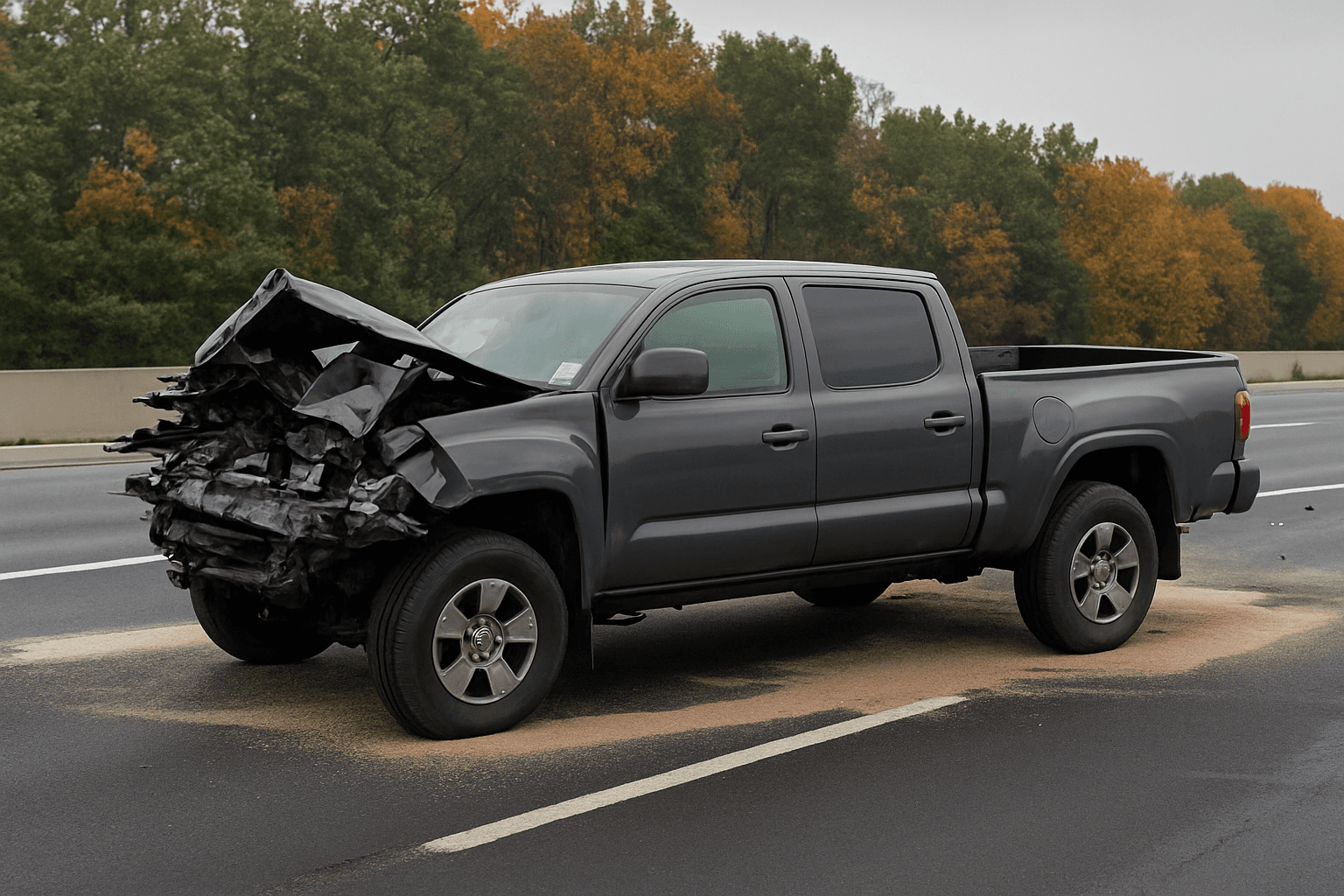
Full coverage means liability plus collision plus comprehensive. Collision pays to repair or replace your vehicle after an accident you caused or a single-car crash. Comprehensive covers theft, vandalism, hail, and animal strikes. Both carry deductibles; you pay the first $500 or $1,000 of each claim, the insurer pays the rest up to the vehicle's actual cash value.
When the car was financed, the lender required both because their interest sat on the title. Now that interest is gone. You own the asset outright, so the coverage decision reduces to pure math: does the annual cost of collision and comprehensive justify the payout you'd receive if the vehicle were totaled minus your deductible?
A conventional threshold among financial planners: when annual comp-and-collision premium exceeds 10 percent of the vehicle's current market value, the coverage may not earn its cost. For a $6,000 vehicle, that threshold sits around $600 annually for both coverages combined. Check your most recent declaration page; collision and comprehensive usually appear as separate line items. If those two lines total near or above the threshold and you can absorb a $6,000 loss from savings without material hardship, dropping to liability-only becomes a reasonable choice.
The informational gap: you lack the current market value of your specific vehicle and the per-coverage cost breakdown from your insurer to run the math.
Running the Coverage-Fit Calculation

Actual cash value appears on valuation sites like Kelley Blue Book or NADA Guides; input your year, make, model, mileage, and condition. The private-party value approximates what an insurer would pay if the vehicle were totaled. Print or screenshot that figure; it anchors the rest of the analysis. Your current collision and comprehensive costs appear as separate line items on your policy declaration page, the multi-page document your carrier mailed or emailed at your last renewal. Locate those two lines, multiply each by the number of payment periods in your term, and sum them to get the annual cost of physical-damage coverage.
Divide that annual cost by the actual cash value. If the result exceeds 0.10, you're paying more than 10 percent of the vehicle's worth annually to insure it against physical loss. That threshold is not a mandate; it's a conventional rule of thumb. Some retirees with high savings and low risk tolerance keep full coverage well past that point because they prefer the certainty of a claim check over the variance of an out-of-pocket repair. Others drop collision the moment the car is paid off and bank the premium savings in an emergency fund earmarked for the next vehicle.
Related Articles





Arizona Carriers and the Senior Discount Reality
Arizona law does not require insurers to offer a mature-driver or senior discount. Carriers file them voluntarily, and each sets its own eligibility age, discount percentage, and renewal rules. State Farm, GEICO, Farmers, and Allstate all write in Arizona and all file some form of mature-driver discount, but the amount varies by carrier and you must verify eligibility at quote time.
Paying off the car changes nothing about discount eligibility unless the vehicle-age or mileage drop triggers a separate low-mileage program. Arizona permits usage-based and mileage-based discount programs; Progressive offers Snapshot, Nationwide offers SmartRide, and GEICO markets a mileage-based option in some Arizona counties. If you now drive under 7,500 miles annually, ask your current carrier whether enrolling in their low-mileage or telematics program would reduce your rate.
The failure mode most retirees in Tempe encounter: their carrier offers both a mature-driver discount and a defensive-driving-course discount, the agent mentioned one at some point, and the policyholder assumes it applied automatically at renewal. It did not. Most carriers require you to submit proof of course completion each renewal cycle or the discount lapses. If you completed an approved course two years ago and never re-enrolled, you're likely paying the higher rate right now.
Arizona does not maintain a single statewide list of approved defensive driving courses for insurance discount purposes; each carrier files its own approved-provider list. Contact your carrier or agent, ask which courses they accept, confirm the completion certificate format they require, and verify the discount amount before enrolling. Some courses cost $15, others $40; the discount must exceed the course cost annually or the math breaks against you.
Carriers Writing in Arizona
25
Twenty-five carriers confirmed writing auto policies in Arizona per NAIC and state Department of Insurance filings. Comparing three to five carriers that file mature-driver discounts and handle low-mileage profiles well produces the clearest rate picture for retirees.
NAIC company filings, Arizona DOI
Medicare and Medical Payments Overlap
Arizona does not require personal injury protection coverage. Medical payments coverage, often abbreviated MedPay, is optional. It pays medical expenses for you and your passengers after an accident regardless of fault, up to the policy limit you select, typically $1,000 to $10,000.
If you carry Medicare, MedPay becomes secondary. Medicare pays first; MedPay covers the deductible, coinsurance, and expenses Medicare excludes. Some retirees drop MedPay entirely once Medicare starts because they can absorb the Part B deductible and 20 percent coinsurance from savings. Others keep a small MedPay limit to cover the gap and avoid out-of-pocket costs after an accident. The cost for $2,000 of MedPay runs $20 to $40 annually in most Arizona counties; whether that earns its cost depends on your Medicare supplement structure and your tolerance for surprise bills.
Comparing Carriers in Maricopa County
State Farm, GEICO, Progressive, Farmers, and Allstate all write standard-tier auto policies in Maricopa County and all offer online quotes. Start with your current carrier: call or log in, confirm your current coverage breakdown, ask whether a mature-driver discount applies and whether you've enrolled, and request a quote for liability-only with the same limits you carry now. Write down that figure.
Request quotes from three additional carriers using identical coverage selections. Input the same liability limits, the same deductibles if you're keeping comp and collision, the same optional coverages. The goal is an apples-to-apples rate comparison, not a feature comparison. Once you have four quotes with matching coverage, the rate differences isolate how each carrier prices your specific profile: a retired driver in Tempe with a clean record, low annual mileage, and a paid-off vehicle of moderate age. That spread tells you whether switching carriers would save more than optimizing discounts with your current one.
Next Step: Pull Your Dec Page and Run the Numbers
Locate your most recent policy declaration page. Find the line items for collision and comprehensive; sum their annual cost. Look up your vehicle's actual cash value on Kelley Blue Book or NADA using private-party value. Divide the annual cost by the value. If the result exceeds 10 percent and you can self-insure a total loss from savings, request a liability-only quote from your current carrier and compare it against your current premium. If the savings justify the change and the risk fits your financial position, make the coverage election at your next renewal or mid-term if your carrier permits it. If the calculation lands near the threshold or your savings cannot absorb the loss, keep full coverage and focus instead on confirming your mature-driver discount enrolled correctly and comparing carriers that price senior profiles favorably in Arizona.