
When Full Coverage Stops Being Required
You made the final payment, the lender released the title, and your renewal notice arrived with the same collision and comprehensive charges you carried when the loan was active. No one at the carrier called to ask whether you still wanted full coverage now that the requirement disappeared. The premium stayed the same because you never changed the coverage.
Most Goodyear retirees in this position assume full coverage is still the right call, or they assume dropping it is automatic once the loan ends. Neither is true. The lender required it to protect their interest; now the decision is purely financial: does the annual cost of collision and comprehensive justify the benefit if you total the vehicle or it's stolen? That depends on three numbers: what the vehicle is worth today, what you pay annually for those two coverages, and whether you can replace it out of pocket if something happens.
Compare rates from carriers that specialize in senior drivers
Mature driver discounts, low-mileage rates, and coverage reviews — see what you're actually eligible for.
Get Your Free QuoteArizona Bodily Injury Per-Person Minimum
$25,000
Arizona's minimum liability is $25,000 per person, $50,000 per accident, and $15,000 property damage. Liability is required regardless of whether you carry collision or comprehensive; the full-coverage question affects only the coverages protecting your own vehicle.
A.R.S. Title 28, Chapter 9
The Replacement-Cost Threshold That Changes the Answer
The conventional threshold: if your vehicle's current value is less than ten times your annual collision and comprehensive premium, the math tilts toward dropping those coverages and self-insuring the replacement risk. A vehicle worth $4,000 with an annual collision and comprehensive cost of $600 crosses that line; you'd pay the full vehicle value in premiums every seven years.
Check your vehicle's actual cash value using NADA or Kelley Blue Book, not what you think it's worth or what you paid. Insurers settle total-loss claims at actual cash value minus your deductible. A 12-year-old sedan you believe is worth $6,000 may appraise at $3,200 after depreciation, age, and mileage adjustments. Subtract your $500 or $1,000 deductible from that figure; the net recovery is what you're insuring.
If that net recovery amount is something you could cover from savings without financial hardship, and your annual premium for collision and comprehensive is more than 10 percent of the vehicle's value, the coverage is costing more than it's protecting. If the vehicle is worth $8,000 or more, or if replacing it would require financing or depleting emergency savings, the premium may still be worth paying.
The blocker: you cannot evaluate the math without knowing what your current carrier charges for collision and comprehensive separately from liability, and whether a different carrier would price your low-mileage senior profile lower.
How Arizona Carriers Price Low-Mileage Retiree Profiles
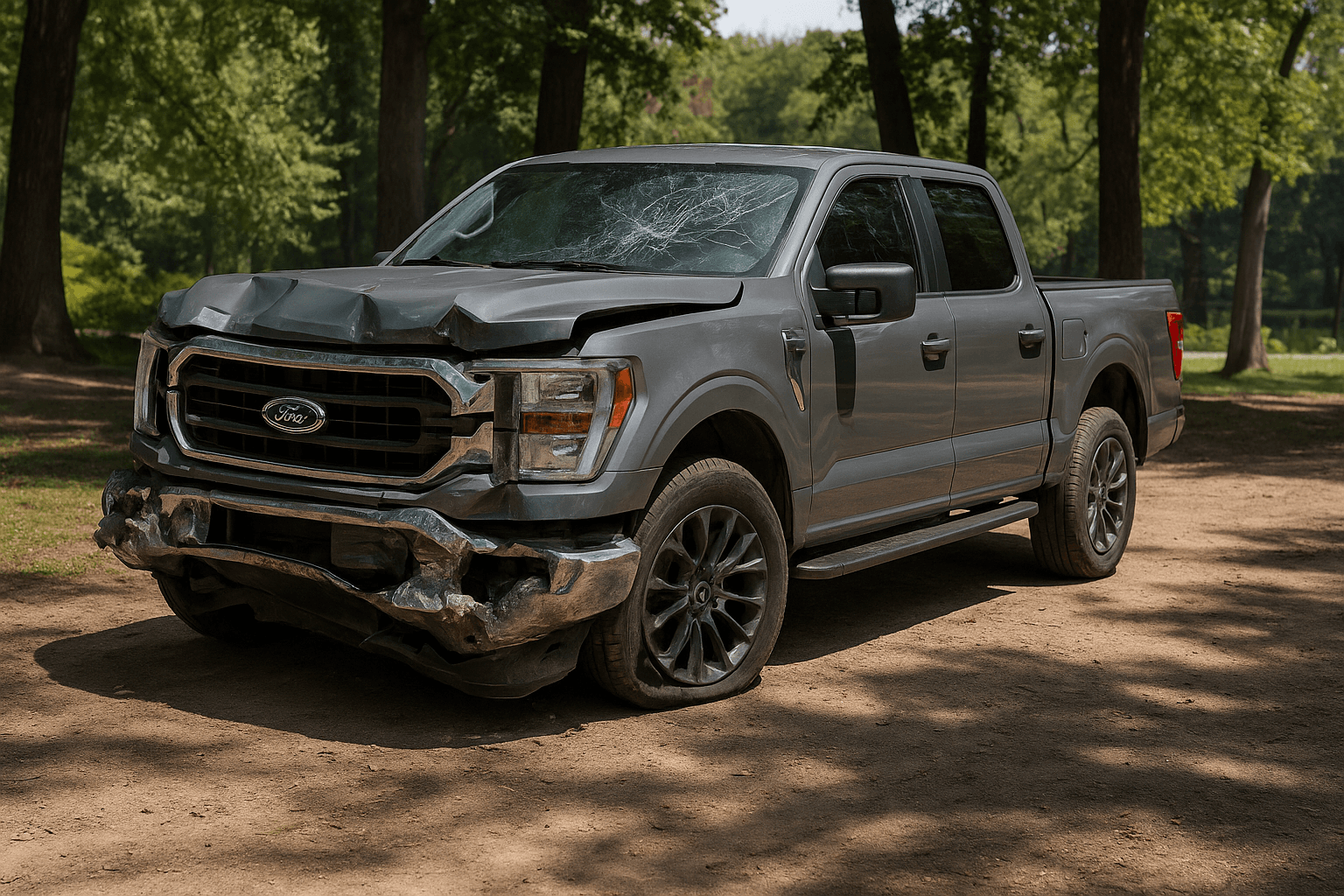
GEICO, Progressive, State Farm, and Nationwide all write in Arizona and offer online quotes, making it possible to compare how each prices your specific profile: your age, your vehicle, your mileage, and your coverage selections. GEICO and Progressive both operate usage-based programs that can reduce premiums for drivers logging fewer than 7,500 miles annually. State Farm's Drive Safe & Save telematics program similarly rewards low mileage. Nationwide offers SmartRide. These programs require enrollment and a monitoring period, but the discount applies to your entire premium, including collision and comprehensive.
If your current carrier does not offer a mileage-based program or a mature-driver discount, your premium reflects commuter-era assumptions even though you now drive a fraction of those miles. Comparing carriers that actively discount low-mileage senior profiles can reduce your annual cost by enough to change the replacement-cost threshold calculation. Request collision and comprehensive as separate line items when quoting; you need to see what those two coverages cost independently of liability to evaluate whether they justify their price.
Related Articles




What Happens If You Drop Collision and Keep Comprehensive
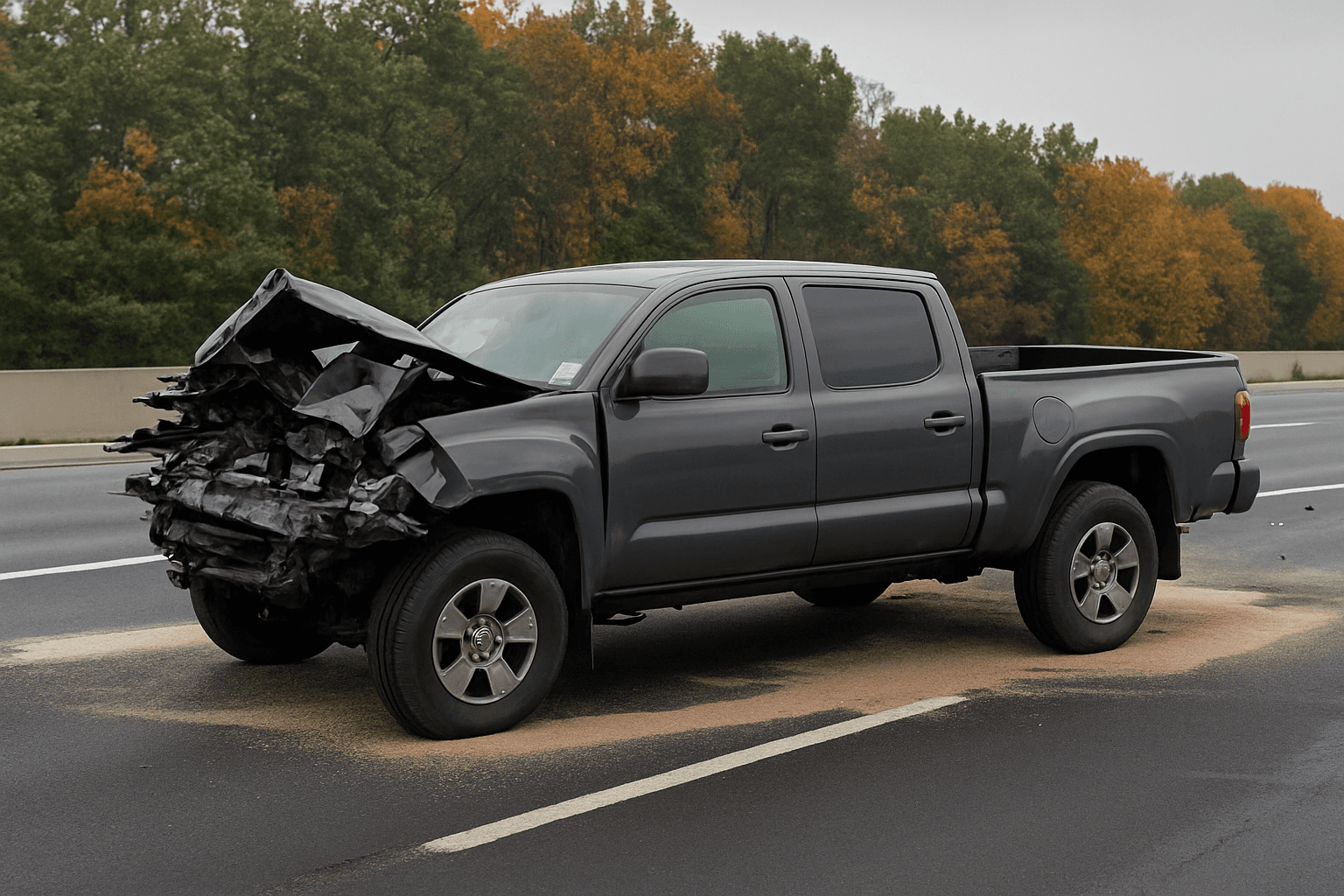
Collision covers damage from accidents you cause or single-vehicle incidents: you back into a post, you slide off a wet road, you're at fault in a two-car crash. Comprehensive covers theft, vandalism, weather damage, hitting an animal, and broken glass. You can drop one and keep the other.
Many Goodyear retirees keep comprehensive and drop collision once the vehicle is paid off and older. Comprehensive premiums are typically lower than collision, and the risks it covers—theft, hail, a deer strike—don't correlate with your driving behavior. If your vehicle is garaged, you drive defensively, and the at-fault accident risk feels low, dropping collision while retaining comprehensive is a common middle path.
Check whether your carrier requires you to carry both or allows you to split them. Most do allow it. Your deductible applies separately to each coverage, so if you keep a $500 comprehensive deductible and drop collision entirely, a theft claim pays actual cash value minus $500, but an at-fault accident leaves you covering all repair costs out of pocket.
The risk you're self-insuring when you drop collision is the cost to repair or replace your vehicle after an accident you cause. If that amount exceeds what you're comfortable paying from savings, keep the coverage. If it doesn't, dropping it eliminates the premium and you retain comprehensive protection for the non-collision risks.
Carriers Writing in Arizona
25
Twenty-five carriers write auto insurance in Arizona, including standard, preferred, and non-standard market tiers. GEICO, Progressive, State Farm, Nationwide, Allstate, Farmers, Liberty Mutual, Travelers, USAA, and American Family all offer online quotes and serve Goodyear. Comparing how each prices your senior profile and mileage is the only way to know whether your current premium is competitive.
NAIC carrier database, Arizona Department of Insurance filings
Medicare and Medical Payments Coverage
Arizona does not require personal injury protection. Medical payments coverage is optional. If you carry it and you're on Medicare, the two can coordinate: MedPay pays first up to its limit, then Medicare covers the remainder. That prevents out-of-pocket costs for the Medicare Part B deductible and coinsurance after an accident.
MedPay premiums are typically low—$50 to $150 annually for $5,000 in coverage—and the coverage applies to you and your passengers regardless of fault. If you drop collision and comprehensive to reduce your premium, keeping a small MedPay limit adds accident medical protection without the vehicle-replacement cost. Evaluate it separately from the full-coverage question; it's a different risk and a different calculation.
The Liability Question Retirees Should Ask
Arizona's $25,000 per person, $50,000 per accident bodily injury minimum was set decades ago. If you cause an accident that seriously injures another driver, medical bills and lost wages can exceed $50,000 quickly. Your retirement assets—home equity, savings, retirement accounts—are exposed to a lawsuit for the amount above your liability limit.
Many retirees reduce collision and comprehensive to cut premium costs but increase liability limits to protect accumulated assets. A $100,000/$300,000 or $250,000/$500,000 liability limit costs more than the minimum, but it's typically a smaller annual increase than continuing collision and comprehensive on a paid-off vehicle of modest value. The risk you're insuring—a serious at-fault accident that threatens your financial stability—is unrelated to your vehicle's age or value. Compare the cost of higher liability limits against the cost of collision and comprehensive; you may find that shifting premium dollars from vehicle coverage to liability coverage makes more sense once the car is paid off and retirement assets are in place.
The Comparison Step That Resolves the Question
Request a itemized quote breakdown from your current carrier showing liability, collision, comprehensive, and any optional coverages as separate line items. Then request the same breakdown from at least two other carriers writing in Goodyear that offer mature-driver or mileage-based discounts. Compare the annual cost of collision and comprehensive at each carrier against your vehicle's actual cash value minus your deductible. If the net recovery amount is less than ten times the annual premium for those two coverages, and you can replace the vehicle from savings without hardship, the math supports dropping them. If a different carrier prices your profile significantly lower, switching and keeping full coverage may cost less annually than your current carrier charges for liability alone. The only way to know is to compare the actual figures with your specific vehicle, mileage, and profile entered.