
When the Lender No Longer Requires It
You made the final payment three years ago. The title arrived in the mail. Your carrier never adjusted your coverage, and you never thought to ask whether collision and comprehensive still made sense. At renewal last month, the premium increased again. Nothing about your driving changed, but the bill keeps climbing.
For retirees in Surprise driving paid-off vehicles well below their working-year mileage, full coverage is a choice, not a requirement. The lender that once mandated collision and comprehensive is gone. What remains is a premium calculated for someone financing a newer vehicle and commuting daily. The coverage-fit decision is yours now, and most carriers will never prompt you to reconsider.
Compare rates from carriers that specialize in senior drivers
Mature driver discounts, low-mileage rates, and coverage reviews — see what you're actually eligible for.
Get Your Free QuoteArizona Liability Minimum Per Person
$25,000
Arizona requires $25,000 bodily injury per person, $50,000 per accident, and $15,000 property damage. Liability is mandatory whether your car is financed or paid off; collision and comprehensive are not.
Arizona Revised Statutes, Title 28
Vehicle Value Against Annual Collision Cost
Collision coverage pays to repair or replace your vehicle after an accident, minus your deductible. Comprehensive covers theft, weather damage, vandalism, and animal strikes. Both are priced as a percentage of your vehicle's current market value, not what you paid for it years ago.
A 2015 sedan you bought new for $28,000 may be worth $8,000 today. If collision and comprehensive together cost $600 annually with a $1,000 deductible, you're paying 7.5 percent of the vehicle's value each year to insure it. After a claim, you receive the depreciated value minus the deductible. For a total-loss accident, the maximum payout is $7,000.
The conventional threshold many retirees use: when annual collision and comprehensive premiums exceed 10 percent of the vehicle's current value, the coverage may cost more than it protects. That's a judgment call about your own asset, not a universal rule, but it frames the math clearly.
Dropping collision while keeping comprehensive leaves you covered for theft and weather damage but uninsured for at-fault accidents. Most Surprise retirees splitting the decision do it backward.
What Happens When You Drop Collision
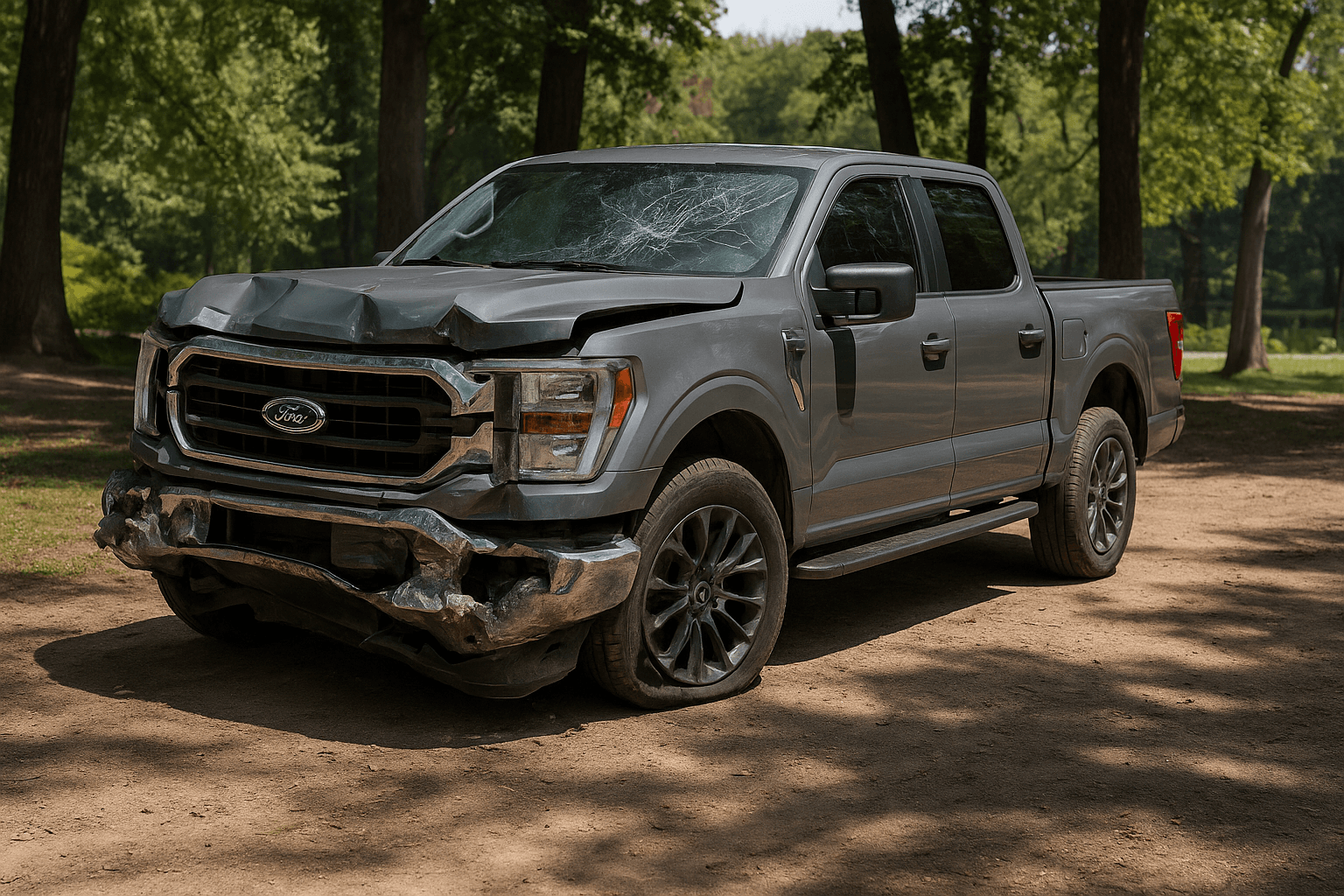
If you cause an accident after dropping collision, your liability coverage pays for the other driver's vehicle and injuries up to your policy limits. Your own vehicle damage is your responsibility. A $4,000 repair comes out of your savings. A total loss means replacing the car yourself. For retirees with emergency funds and a paid-off vehicle of moderate value, that's a calculated trade: lower annual premiums in exchange for accepting repair costs if you're at fault.
Comprehensive coverage remains independent of collision. You can drop collision and keep comprehensive to stay insured against theft, hail, and animal strikes while self-insuring accident damage. Many Surprise retirees make the opposite choice: they drop comprehensive because they park in a garage and keep collision because they fear at-fault accidents. The annual cost of collision is typically double that of comprehensive, so the math often favors the reverse.
Related Articles



Medicare and Medical Payments Overlap
Medical payments coverage, often called med-pay, pays medical bills for you and your passengers after an accident regardless of fault. Personal injury protection, required in some states but not Arizona, works similarly. For retirees on Medicare, med-pay creates coverage overlap.
Medicare covers most medical expenses after an accident. Med-pay pays first, up to its limit, then Medicare covers the remainder. If your med-pay limit is $5,000 and your policy costs $80 annually for that coverage, you're paying for a benefit Medicare would otherwise handle. Some retirees keep minimal med-pay to cover the Medicare Part B deductible and any immediate out-of-pocket costs before Medicare processes claims. Most drop it entirely.
Check your current policy declarations page. If you carry $5,000 or $10,000 in med-pay and you're on Medicare, ask your carrier what removing it saves annually. The answer usually makes the decision obvious.
Carriers Writing in Arizona
25
Twenty-five carriers write auto policies in Arizona, and their treatment of retirees with paid-off vehicles varies significantly. Compare which carriers offer low-mileage and mature-driver discounts before you adjust coverage.
NAIC company filings, Arizona Department of Insurance
Liability Limits and Retirement Assets
Liability coverage is the one part of your policy that should increase, not decrease, as you age. It protects your retirement savings, your home equity, and any other assets an injured party could pursue in a lawsuit after an at-fault accident.
Arizona's minimum liability limits are $25,000 per person and $50,000 per accident for bodily injury. If you cause an accident that injures two people, each requiring $40,000 in medical treatment, your $50,000 policy pays the maximum and you're personally liable for the remaining $30,000. For retirees with home equity or retirement accounts, that exposure is unacceptable. Increasing liability to $100,000 per person and $300,000 per accident typically adds less than the collision coverage you're considering dropping.
Low-Mileage Programs Most Surprise Retirees Miss
Your working-year commute ended. Your annual mileage dropped from 15,000 miles to 6,000. Your carrier never asked, and your premium never adjusted. Most insurers offer low-mileage or usage-based programs that reduce premiums for drivers logging fewer miles, but enrollment is never automatic.
In Arizona, Progressive, State Farm, Allstate, and Nationwide all offer mileage-based programs. Some require a plug-in device or smartphone app that tracks actual miles driven. Others let you self-report annual mileage at renewal. The discount applies to the portion of your premium tied to collision and liability exposure. Ask your current carrier whether a low-mileage program applies to your policy and what documentation they require. If your carrier doesn't offer one, compare carriers that do before your next renewal.
Arizona does not mandate mature-driver or low-mileage discounts. Carriers file them voluntarily, so discount availability and amounts vary by insurer. The only way to know what your profile qualifies for is to request quotes from multiple carriers writing in Arizona and compare the final premium after all discounts apply.
Request Quotes With and Without Collision
Contact three carriers writing in Arizona and request two quotes: one with your current full-coverage structure, one with collision removed and liability increased to $100,000 per person. Ask each carrier which mature-driver and low-mileage discounts apply to your profile and confirm the discount has been applied to the quoted premium. Compare the annual cost difference against your vehicle's current market value and your comfort with self-insuring repair costs. The math will tell you whether collision still earns its cost on a paid-off car you drive 6,000 miles a year.