
Best Car Insurance for Retirees — Tucson
Free to compare
When the Course Certificate Changed Nothing
You finished the defensive driving course your neighbor recommended. You mailed the certificate to your agent in Tucson three months before your renewal date. The new policy arrived and the premium stayed exactly where it was, maybe even ticked up a few dollars. You called. The agent said they'd look into it. Two billing cycles later, nothing changed.
This is the most common friction retired drivers face in Arizona. The state does not require insurers to offer a mature-driver discount. Carriers file them voluntarily, set their own eligibility rules, and in practice many require you to prove qualification at every single renewal. The certificate sitting in your agent's inbox does nothing unless someone keys it into the underwriting system and triggers the re-rate.
“The certificate sitting in your agent's inbox does nothing unless someone keys it into the underwriting system and triggers the re-rate.”

See What Arizona Retirees Pay Now
Get My Arizona Retiree Auto Insurance Quote25
Carriers Writing in Arizona
Twenty-five carriers actively write auto policies in Arizona, but only a fraction file mature-driver or course-completion discounts as part of their rate structure. The rest treat age 65-plus as a standard risk tier with no voluntary adjustment.
NAIC carrier filings, Arizona Department of Insurance
What Arizona Law Actually Requires
Arizona Revised Statutes Title 20 Chapter 2 Article 1 Section 262 governs insurance discounts. It does not mandate a mature-driver or course-completion discount. Carriers may offer one as a filed program, or they may not. When they do, they control the eligibility criteria, the percentage amount, whether it renews automatically, and whether completion of a state-approved defensive driving course is required or age alone qualifies you.
This is the structural gap most Tucson retirees discover only after the fact. A neighbor in another state mentions their mandatory senior discount. You assume Arizona works the same way. It does not. The agent who sold you the policy may not know which carriers in their book actually file these programs, or may assume you know to ask every year.
The only way to confirm whether your current carrier applies a mature-driver discount is to ask directly and request documentation showing the discount line item on your declarations page. If it is not there, it was never applied.

Your blocker: you lack a list of which Tucson-area carriers file mature-driver discounts and what each requires you to prove at renewal.
Related Articles







The Renewal Failure Mode Most Tucson Agents Never Mention
Mature-driver discounts tied to course completion expire. Most carriers set a three-year certificate validity window. When the certificate expires, the discount disappears at the next renewal unless you complete a new course and submit a new certificate before the renewal date. The policy does not notify you. The agent does not call. The premium simply reverts to the non-discounted rate.
This is the second procedural blocker. You completed the course once, saw the discount apply, and assumed it would continue indefinitely. Three years later your Tucson renewal notice shows a rate increase. You call. The agent tells you the certificate expired and you need to re-certify. You ask why no one told you. The answer is that the system does not generate those reminders; tracking certificate expiration is treated as the policyholder's responsibility.
To avoid this, mark your calendar for 90 days before each third-anniversary renewal. Confirm your current certificate's expiration date by calling your carrier's underwriting department directly. Do not rely on your agent to track it. If you are within 120 days of expiration, enroll in a new state-approved course, complete it, and submit the certificate before your renewal date. Confirm the new certificate's issue date appears in the carrier's system and the discount line item updates on your next declarations page.
$25,000
Arizona Bodily Injury Minimum Per Person
Arizona's minimum liability requirement is $25,000 per person, $50,000 per accident, and $15,000 property damage. Retired drivers with home equity or retirement accounts face full personal-asset exposure above these floors in an at-fault accident.
Arizona Revised Statutes Title 28, Arizona Department of Transportation
Coverage Fit for a Paid-Off Vehicle and Medicare Coordination
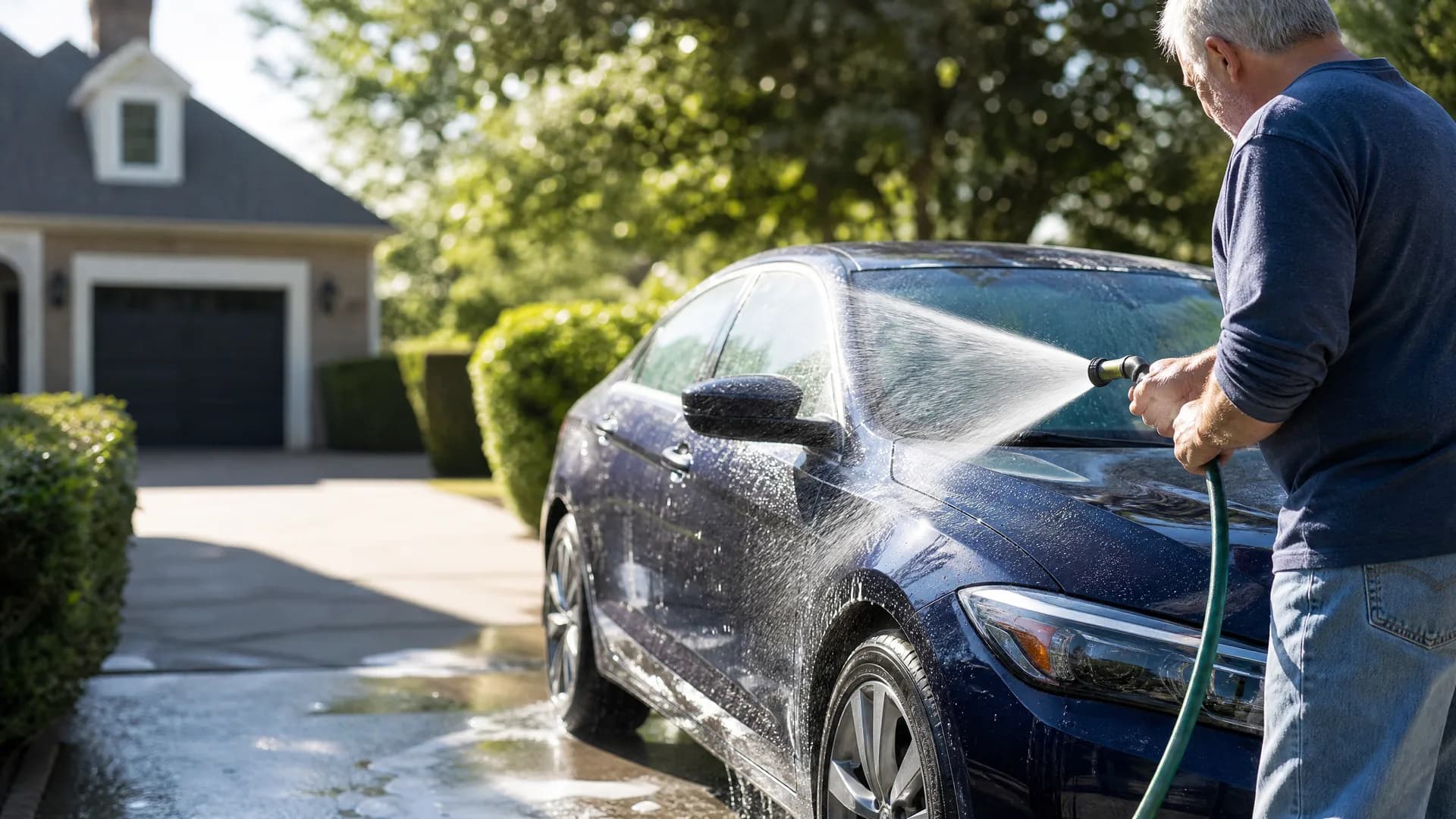
Many Tucson retirees drive a paid-off vehicle between 8 and 15 years old. The question at every renewal is whether collision coverage and comprehensive coverage still earn their cost. The conventional threshold is this: if your annual premium for full physical-damage coverage exceeds 10 percent of the vehicle's current market value, you are paying more to insure it than you would recover in a total-loss claim after the deductible.
Check your vehicle's actual cash value using NADA or Kelley Blue Book, not what you believe it is worth. If your 2012 sedan shows a $4,800 trade-in value and your collision-plus-comprehensive premium is $620 per year with a $500 deductible, you are paying 13 percent of the vehicle's value to protect a maximum net recovery of $4,300. That is a judgment call, not a rule. If you can cover a $4,800 replacement cost from savings without financial strain, dropping to liability-only makes sense. If that loss would destabilize your budget, keep the coverage.
What to Do Right Now
Call your current Tucson carrier. Ask three questions in this order: does your rate structure include a mature-driver or course-completion discount; if yes, do I currently qualify and is it applied to my policy; if it is applied, what is the certificate expiration date and what must I do to renew it before that date. Request written confirmation of the answers.
If your current carrier does not file a mature-driver program or the discount amount is minimal, request quotes from State Farm, GEICO, and Progressive. Provide identical coverage limits, your current declarations page, and proof of your clean driving record for the past three years. Ask each carrier what their mature-driver discount requires, whether it renews automatically or requires annual action, and whether low-mileage or usage-based programs apply to drivers under 5,000 miles per year. Compare the net premium with the discount applied, not the base rate before discounts.
Verify that any course you complete to qualify appears on Arizona's approved defensive-driving-course provider list. Courses completed through unapproved providers will not trigger the discount even if the certificate looks identical. Confirm completion, submit the certificate by certified mail or electronic upload with a timestamp, and follow up 10 business days later to verify the discount keyed into your account before your renewal processes.
Which Tucson Carriers File Senior Programs
State Farm, GEICO, Progressive, and Farmers all write in Arizona and file mature-driver programs, but eligibility differs. State Farm and Farmers typically tie the discount to completion of a state-approved defensive driving course and require a new certificate every three years. GEICO offers both an age-based discount at 50-plus and a separate course-completion discount; the two can stack if you qualify for both. Progressive's program varies by underwriting tier and may require annual re-enrollment.
Non-standard and high-risk-specialist carriers writing in Arizona such as Acceptance, Dairyland, GAINSCO, and The General focus on filing profiles and violation history rather than age-based discount programs. If you carry a clean record and low mileage, you will find better mature-driver program access with standard and preferred carriers. Request the discount eligibility rules in writing before you bind coverage, and confirm the discount appears on your declarations page at issue.
Get Your Free Quote
Get My Arizona Retiree Auto Insurance QuoteFrequently Asked Questions
Does Arizona require car insurance companies to offer a senior discount?
No. Arizona does not mandate a mature-driver or course-completion discount. Carriers may file them voluntarily. When they do, they set their own eligibility rules, percentage amounts, and renewal requirements.
How do I know if my current Tucson insurer applied a mature-driver discount?
Request your current declarations page and look for a line item labeled mature-driver discount, defensive-driving discount, or course-completion discount. If it does not appear, it was not applied. Call underwriting directly to confirm whether you qualify and what documentation they need.
Do mature-driver discounts renew automatically in Arizona?
Most do not. Carriers that tie the discount to course completion require a new certificate every three years. When the certificate expires, the discount disappears at renewal unless you submit a new one before the renewal date.
Which Tucson carriers offer the best mature-driver programs?
State Farm, GEICO, Progressive, and Farmers file mature-driver programs in Arizona. Eligibility and discount structure vary. GEICO allows stacking an age-based discount with a course-completion discount. State Farm and Farmers require state-approved course certificates renewed every three years.
Should I drop collision and comprehensive coverage on my paid-off car in Tucson?
If your annual collision-plus-comprehensive premium exceeds 10 percent of your vehicle's current market value, you are paying more to insure it than you would recover in a total-loss claim after the deductible. Check your vehicle's actual cash value and compare it to your physical-damage premium. If you can cover a replacement cost from savings without financial strain, liability-only makes sense.
How does medical payments coverage work with Medicare in Arizona?
Medicare covers accident-related medical expenses once deductibles and co-pays apply. Medical payments coverage on your auto policy pays immediately without coordination, covering your Medicare deductible and co-insurance. Arizona does not require medical payments or PIP coverage, so whether to carry it depends on your Medicare supplement and out-of-pocket tolerance.