
You Drive 6,000 Miles a Year and Pay for 15,000
You stopped commuting when you retired three years ago. Your odometer confirms it: 6,000 miles last year, maybe 7,000 the year before. Grocery runs, medical appointments, visiting grandkids twice a month. Your carrier still charges the same premium it did when you drove to work five days a week, because the application you filled out in 2015 listed 15,000 annual miles and nobody ever asked you to update it.
The mature-driver course your neighbor recommended might shave 5% off if your carrier files that discount in Arizona, which isn't guaranteed. Proving your current mileage to a carrier offering usage-based or low-mileage programs restructures the entire risk calculation and can drop your premium by a third. Most Peoria retirees focus on the course certificate and never address the mileage assumption still pricing their policy.
Compare rates from carriers that specialize in senior drivers
Mature driver discounts, low-mileage rates, and coverage reviews — see what you're actually eligible for.
Get Your Free QuoteCarriers Writing in Arizona
25
Twenty-five carriers write personal auto policies in Arizona, but only a subset offer low-mileage and usage-based programs structured for retirees who drive under 7,500 miles annually. Geico, Progressive, and Nationwide publish telematics programs; others require broker contact to confirm eligibility.
Arizona carrier licensing data via NAIC filings
Arizona Has No Mature-Driver Discount Mandate
State law does not require Arizona carriers to offer a senior or mature-driver discount. A.R.S. § 20-00262 is silent on age-based discounts, leaving carriers free to file them voluntarily or skip them entirely. When your agent tells you about a course discount, they're describing a program their carrier chose to file, not a legal entitlement you can claim from any insurer.
This matters when you shop. One carrier may offer a 10% mature-driver discount for completing an approved defensive driving course; another offers nothing. A third might file an age-based discount that applies automatically at 55 with no course required, but caps it at 5%. There is no statewide floor, no consistency across carriers, and no requirement that the discount renew automatically when your certificate expires in three years.
The comparison decision for Peoria retirees isn't whether to take the course. It's which carriers treat low-mileage retirees most favorably when mileage, course completion, and decades of clean driving history all factor into the quote at once.
Your current carrier prices your policy on the mileage estimate from the application you signed years ago. Until you report new annual mileage, the rate assumes commuter driving.
How Low-Mileage and Usage-Based Programs Work in Arizona
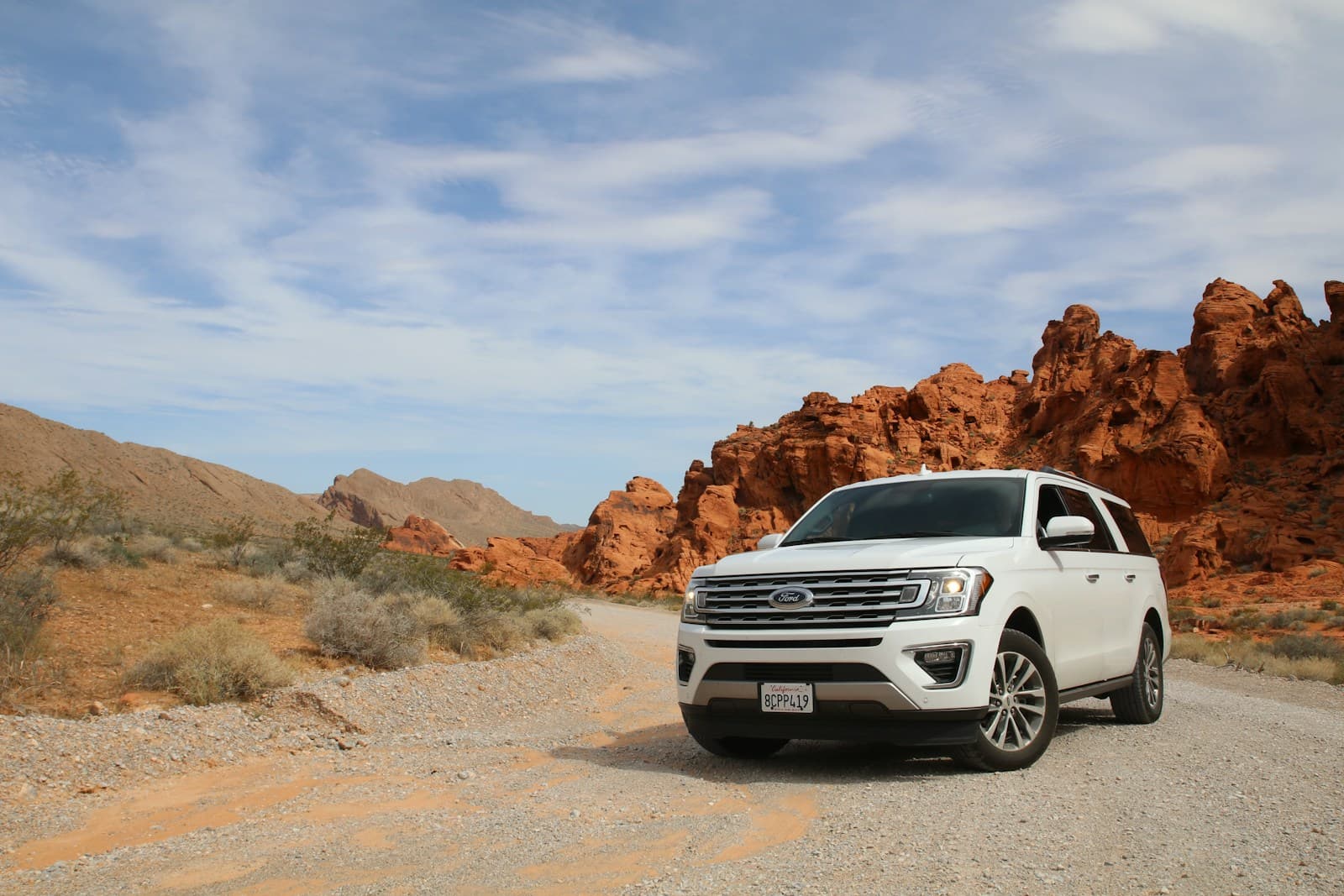
Geico offers a low-mileage discount when you report annual mileage under 7,500 miles at application or renewal; verification may require an odometer photo or inspection. Progressive's Snapshot program installs a plug-in device or uses a smartphone app to track mileage, time of day, hard braking, and rapid acceleration over a monitoring period, then applies a discount at renewal based on the data collected. Nationwide's SmartRide works similarly, monitoring driving behavior for an initial period and discounting the renewal premium when mileage and safe-driving scores meet program thresholds.
State Farm and Allstate write in Arizona but don't publish low-mileage or telematics program details on their public-facing sites. You'll need to ask an agent whether they file a mileage-based discount and what documentation they require. Some carriers apply the discount immediately when you report reduced mileage; others require a full policy term of monitoring before the discount hits your renewal. The monitoring period, the mileage threshold, and whether the discount renews automatically or requires annual re-enrollment all vary by carrier filing.
Related Articles




What Happens When You Pair Low Mileage With a Course Discount
Arizona allows carriers to stack discounts when their filed rates don't prohibit it. A mature-driver course discount and a low-mileage discount can both apply to the same policy if the carrier files both programs and your profile qualifies for each. The course discount depends on completing an Arizona-approved defensive driving program and submitting the certificate to your carrier before it expires, typically within three years of completion. The low-mileage discount depends on verifying your annual odometer reading falls below the carrier's threshold.
The failure mode most Peoria retirees hit: they complete the course, submit the certificate, see a small discount appear, and assume they've maximized their savings. They never report that their annual mileage dropped from 15,000 to 6,000 when they retired, so the mileage assumption pricing the policy stays locked at the commuter rate. The course certificate might cut 5%. Proving the mileage drop can cut 20% to 35%, depending on the carrier's filed rate structure for low-annual-mileage drivers.
When you shop, ask each carrier three questions in sequence: Do you offer a mature-driver discount, and does it require course completion or apply automatically at a certain age? Do you offer a low-mileage or usage-based discount, and what annual mileage qualifies? Can both discounts apply to the same policy, and what documentation do you need to verify my current mileage?
Carriers that offer both programs and allow stacking give Peoria retirees the largest structural rate reduction. Carriers that offer only one, or that require you to choose between a course discount and a mileage discount, leave money on the table.
Arizona Bodily Injury Minimum Per Person
$25,000
Arizona's minimum liability requirement is $25,000 per person, $50,000 per accident for bodily injury, and $15,000 for property damage. Retirees with retirement assets, home equity, or investment accounts exposed in an at-fault accident often carry higher limits to protect those assets from judgment creditors.
A.R.S. Title 28, Motor Vehicles
The Coverage Decision When Your Car Is Paid Off
You own your 2016 sedan outright. No lien, no financing requirement to carry collision and comprehensive. The coverage-fit question for Peoria retirees at this point: does the annual cost of full coverage justify the maximum claim payout you'd receive if the car were totaled? Collision pays actual cash value minus your deductible when you're at fault or the other driver is uninsured; comprehensive pays actual cash value minus deductible for theft, weather damage, and vandalism.
A conventional threshold: if your vehicle's current market value is under $4,000 and your annual collision and comprehensive premium exceeds 10% of that value, the math tips toward liability-only coverage. If the car is worth $3,500 and full coverage costs $450 a year, you're paying 13% of the vehicle's value annually to insure against a total-loss payout of $3,500 minus your deductible. That's a judgment call, not a universal rule, and it depends on whether you have savings set aside to replace the car out-of-pocket if it's totaled.
Medical payments coverage and uninsured motorist coverage remain relevant regardless of your vehicle's age. Medical payments coordinates with Medicare by covering the Medicare Part B deductible, copays, and expenses Medicare doesn't cover after an accident. Uninsured motorist bodily injury covers your injuries when an at-fault driver carries no insurance or flees the scene, which happens more often than Medicare-age drivers expect in metro Phoenix.
Compare Carriers That Write Low-Mileage Retirees Well in Peoria
Start with the carriers confirmed to offer mileage-based or telematics programs in Arizona: Geico, Progressive, Nationwide. Request quotes from each, report your actual annual mileage, and confirm whether their mature-driver discount stacks with the low-mileage discount. Ask whether the mileage discount renews automatically or requires annual odometer verification, and what happens if your mileage creeps above the threshold one year.
Then compare against State Farm, Allstate, and Farmers, which may file age-based or mileage-based discounts you can only learn about by requesting a quote. Some carriers apply a flat senior discount at age 55 or 65 with no course required but no mileage component; others require the course and ignore mileage entirely. The only way to map which structure saves you the most is to quote all six with identical coverage limits and your verified current annual mileage on every application.
Check your current odometer reading before you start. You'll need your annual mileage figure, which you calculate by subtracting last year's reading from this year's, or by dividing total miles driven over the past two years by two if your driving pattern has been consistent since retirement. Carriers that monitor via telematics will verify the number during the monitoring period; carriers offering a flat low-mileage discount may ask for an odometer photo or schedule an inspection.
Get quotes from each carrier with your actual mileage reported, confirm which discounts apply and whether they stack, then compare the final annual premium. The lowest rate wins, regardless of which discount structure the carrier uses to get there.